
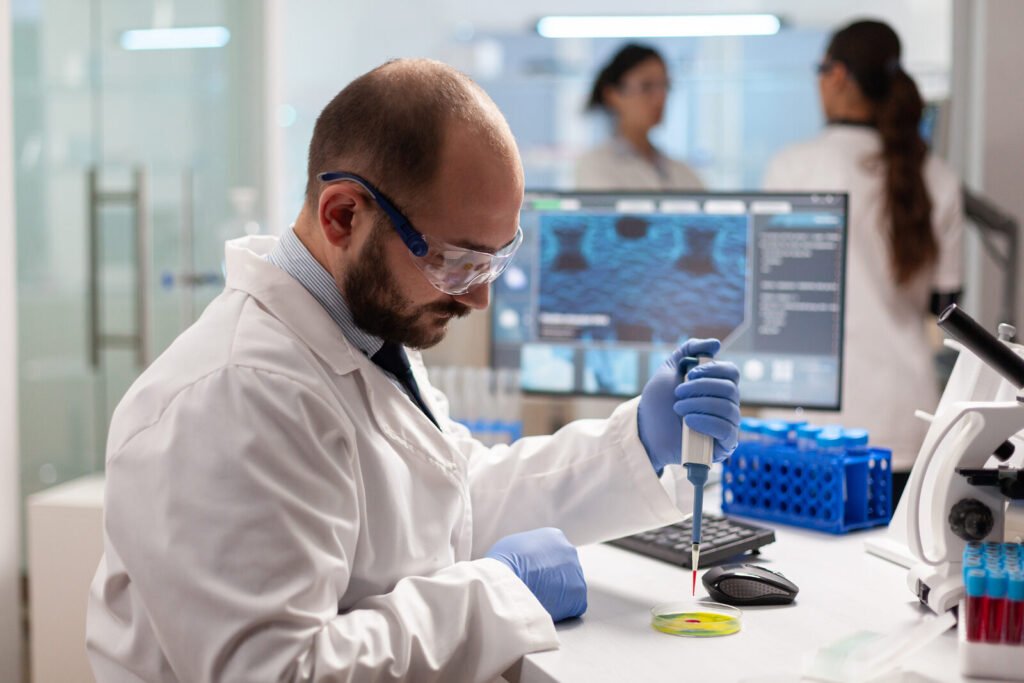
Semi-automated vs fully automated biochemistry analyzer
Both measure the same chemistry. The difference is who does the pipetting, mixing and timing: your technician or the machine.
- WorkloadTests per day
- StaffHands-on time per sample
- MenuRoutine and special tests
- QualityDaily QC and records
- GrowthRoom for more samples
Which biochemistry analyzer does a laboratory need?
A semi-automated biochemistry analyzer suits a small laboratory with a limited number of tests a day and a technician who prepares each one by hand. A fully automated analyzer suits a laboratory where samples arrive all day: it pipettes sample and reagent, incubates, reads and reports without a person at each step. The deciding factors are tests per day, staff time and how much you expect to grow.
What changes when you automate
With a semi-automated analyzer the technician adds sample and reagent to each tube, waits, and presents it to the instrument. Results depend on careful pipetting and timing, and one person can only do so many in an hour.
A fully automated analyzer takes over those steps, so the same technician can load a batch and move to other work. Automation also shortens waiting: in one core laboratory study, total laboratory automation cut median turnaround time by roughly 15 to 20 minutes.
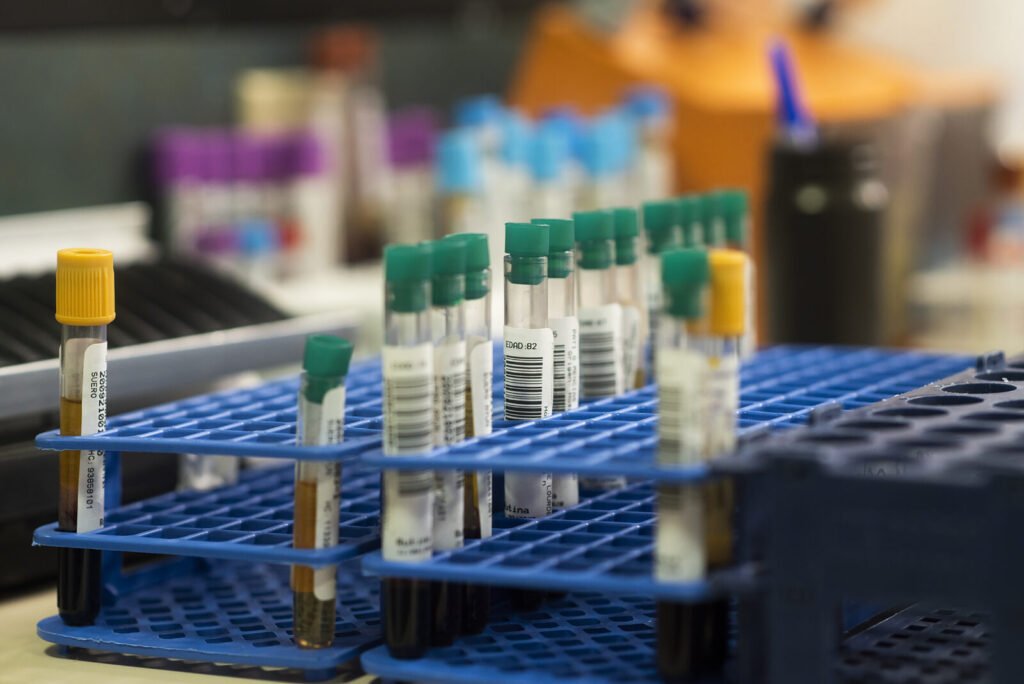
Semi-automated and fully automated compared
| Semi-automated | Fully automated | |
|---|---|---|
| Sample and reagent handling | By hand | By the analyzer |
| Staff time per test | High | Low |
| Purchase price | Lower | Higher |
| Best place | Small laboratories, clinics, backup | Hospital and busy diagnostic laboratories |
| Examples | HORIBA Yumizen CA40, Avantor C61 | HORIBA Yumizen C210 and C600, Avantor BS-240 Pro |
See semi-automated and fully automated biochemistry analyzers.
Signs it is time to move to full automation
Reports are late
Samples wait because one person cannot pipette faster.
Repeat tests are rising
Results vary between technicians or shifts.
The menu is growing
Doctors ask for more tests than you can run by hand.
Staff are stretched
A skilled technician spends the day on routine pipetting.
You plan accreditation
NABL 112A asks for two levels of QC on the day of testing and one level every shift, and for external quality assessment.
You are adding a collection centre
More samples are coming.
How Milap helps
Site check and demo
We look at your workload and location, and show the system working before you decide.
Installation by our own engineers
Commissioning, checks and handover are done by Milap engineers.
Training for every shift
Application training for the nurses, technicians and doctors who will run samples.
Service after the sale
AMC and CMC contracts, with breakdown calls answered during evenings and weekends too.
Sources
NABL 112A, Specific criteria for accreditation of medical laboratories.
HORIBA, Yumizen C600 specifications.
Total laboratory automation study, SLAS Technology.
Frequently asked questions
Not by design. Accuracy depends more on the operator, because pipetting and timing are done by hand.
Many laboratories keep it as a backup and for tests run rarely.
There is no fixed number. When samples queue, repeats rise or a technician is tied up all day, automation usually pays.
Most need purified water, a stable power supply and bench or floor space. The HORIBA Yumizen C600, for example, specifies Type II purified water. We check these at a site visit before installation.
Yes. Milap arranges demonstrations for the models it supplies.
Planning to upgrade your biochemistry bench?
Tell us your tests per day and menu and we will suggest a model and arrange a demo.