
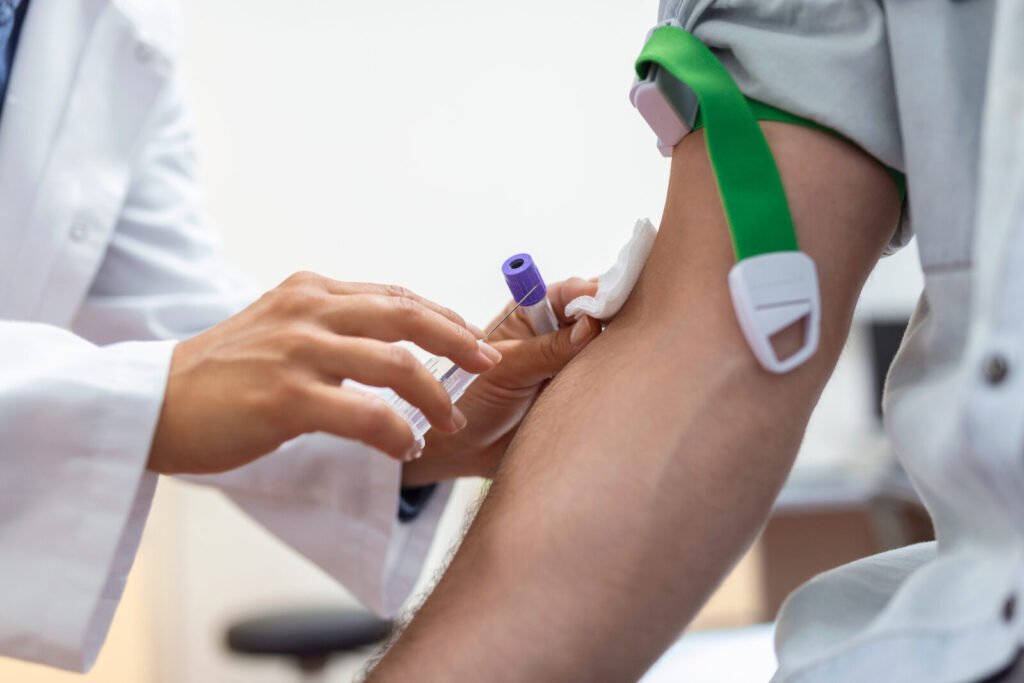
Pre-analytical errors in blood gas testing
When a blood gas result does not fit the patient, the analyzer is rarely the cause. The problem usually starts in the minutes between the needle and the sample port.
- CollectRight syringe, no air
- MixRoll and invert at once
- RunAnalyse without delay
- IdentifyScan patient and operator
- ReviewAct on analyzer flags
Why do blood gas results go wrong?
Most wrong blood gas results come from the way the sample was collected and handled: air bubbles in the syringe, delay before analysis, poor mixing, clots, dilution from a line, or the wrong patient details. These are called pre-analytical errors, and they are prevented by training, a short written routine, and an analyzer that checks the sample.
Most errors happen before the sample reaches the analyzer
Studies of laboratory errors by Plebani and colleagues found that 68.2% of errors in 1996 and 61.9% in 2006 arose in the pre-analytical phase. Blood gas samples are more exposed than most, because the gases keep changing after the blood is drawn.
In plastic syringes, samples should be analysed within 30 minutes at room temperature, and sooner when pO2 matters. An air bubble pulls pO2 towards room air, about 150 mmHg; in one study, samples contaminated with air showed pO2 rises of 15.2 to 23.0% at room temperature.
Six common errors and how to prevent them
Air bubbles
Expel air straight after collection and cap the syringe.
Delay
Analyse at once; do not leave syringes on a tray or send them through a long transport route.
Poor mixing
Roll and invert the syringe after collection and again just before analysis.
Clots
Use the right heparinised syringe and mix straight away.
Dilution
Discard enough volume when sampling from an arterial line.
Wrong identity
Scan the patient and operator barcodes at the analyzer instead of typing.
What the analyzer can and cannot do
| Problem | Analyzer can help | Staff must do |
|---|---|---|
| Clots and short samples | Flag or reject the sample | Collect and mix correctly |
| Delay | Sit close to the patient | Run the sample immediately |
| Air bubbles | Some systems flag them | Expel air and cap the syringe |
| Patient identity | Barcode entry and LIS link | Label at the bedside |
| Untrained users | Operator lockout through connectivity | Complete training before use |
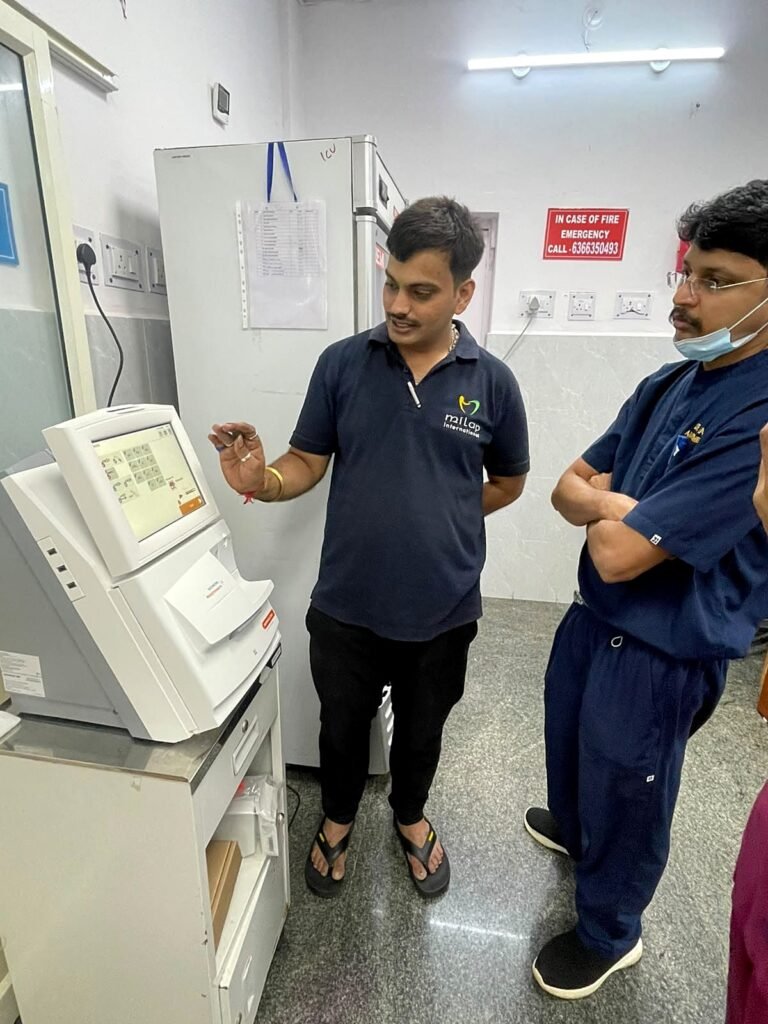
Bedside systems such as the Siemens RAPIDPoint 500e shorten the delay by giving a result in about 60 seconds from 100 µL of blood.
How Milap helps
Hands-on training
Sampling, mixing and running the analyzer, for every shift, at installation.
Refresher sessions
For new staff and when error flags start to rise.
Right placement
We help you place the system where samples do not have to travel.
Connected results
Barcode entry and LIS or HIS connection so results are not retyped.
Sources
Plebani M, Ann Clin Biochem 2010.
Useful tips to avoid pre-analytical errors in blood gas testing, acutecaretesting.org.
Biochemia Medica 2022, air contamination study.
Frequently asked questions
Within 30 minutes at room temperature in a plastic syringe, and as soon as possible when pO2 or lactate will guide treatment.
Current guidance for plastic syringes is to keep them at room temperature and analyse quickly. Follow your laboratory policy.
Usually because of a clot, bubbles or too little blood. A rejected sample is safer than a wrong number.
No. pO2 differs greatly between arterial and venous blood. Always record the sample type.
The supplier at installation, and the laboratory afterwards. Milap provides application training for the systems it installs.
Want fewer repeat samples on your wards?
Ask us about blood gas training and a system that suits your unit.